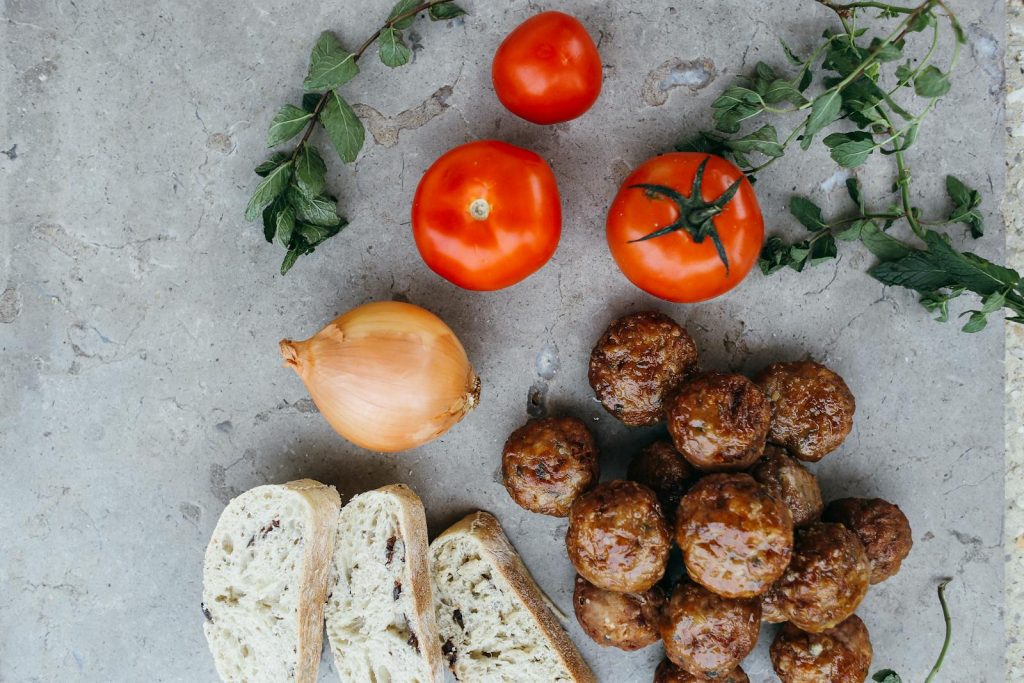
Some of Sweden’s best loved dishes have been reworked into plant-based versions, and they turn up on menus across the country. If you want to taste traditional Swedish comfort food without the meat or dairy, these veganized classics are a great place to start.
Plant-based meatballs
The Swedish meatball, or köttbulle, is the dish most people picture when they think of Swedish food. The plant-based version has become genuinely common, and it is often made from mushrooms, lentils or soy. It is typically served the traditional way, with a creamy sauce, lingonberry and potatoes, so the experience on the plate is close to the original.
You will find vegan meatballs in casual lunch spots, in some traditional restaurants, and on supermarket shelves as a ready-made product. The texture and flavour vary depending on what they are made from, so it is worth trying more than one kind if you enjoy the first. Lingonberry, with its sharp and slightly sweet edge, is the classic partner and lifts the whole dish.
Other classics that adapt well
Beyond meatballs, several Swedish staples lend themselves to plant-based cooking. Many are built around potatoes, root vegetables, bread, oats and berries, which are naturally suited to a vegan kitchen. In a vegan smörgåstårta, the layered sandwich cake served at Swedish parties, smoked tofu replaces the ham and smoked salmon, and seaweed caviar replaces the fish roe.
| Classic dish | How it is veganized |
|---|---|
| Köttbullar (meatballs) | Made from mushrooms, lentils or soy, with creamy sauce and lingonberry |
| Creamy sauces and gravies | Oat-based or other plant cream stands in for dairy |
| Pea soup and stews | Often plant-based by nature when made without meat stock |
| Open sandwiches | Plant spreads, vegetables and dairy-free cheese alternatives |
| Pastries and cakes | Oat drink and egg replacers, as covered in our fika guide |
The role of oat-based ingredients
One reason Swedish classics adapt so well is the everyday presence of oat-based products. Oat drink (havredryck) and oat-based creams are very common in Sweden, in both cafes and supermarkets, and they slip easily into the creamy sauces that define so many traditional dishes. This makes a plant-based köttbulle plate feel familiar rather than like a compromise.
The aim of a veganized classic is not to disguise the absence of meat, but to deliver the same warm, comforting plate that Swedes have always loved, made entirely from plants.
How to find and order them
On a menu, look for the words vegansk (vegan) or växtbaserad (plant-based) next to a familiar dish name. If you are unsure whether a sauce contains dairy, you can ask for it utan mjölk (without milk). Our Swedish vegan glossary gives you the full set of phrases, and our guide to traditional Swedish restaurants explains how to handle a meat-heavy menu with confidence.
If you would rather cook these dishes yourself, plant-based meatballs and oat-based creams are easy to find in any large supermarket. See our vegan groceries guide for what to look for, and use the worldwide directory HappyCow to find restaurants serving plant-based Swedish food near you.
Why these dishes resonate
Swedish comfort food is rooted in the seasons and the landscape. Long winters made hearty, warming dishes a necessity, and ingredients that store well, such as potatoes, root vegetables, dried peas, oats and preserved berries, became staples. Many of these foundations are naturally plant-based, which is part of why veganizing the classics feels so natural rather than forced. The flavours people grew up with can survive the switch to plants almost intact.
Lingonberry deserves a special mention. This small, tart red berry grows wild across Swedish forests and has been preserved and eaten for generations. Served as a jam or a sauce alongside meatballs and other savoury dishes, it adds a bright, slightly sour note that balances rich, creamy plates. It is entirely plant-based and remains a fixture on the vegan version of the dish.
Trying them as a visitor
If you want the full experience, order a plant-based köttbulle plate at least once during your trip. It is the dish most associated with Sweden, and tasting the vegan version is a friendly introduction to the local food culture. You will find it in casual lunch spots, in some traditional restaurants, and as a home-cooked meal if you are self-catering.
Hungry for more? Explore vegan Stockholm and vegan Gothenburg, or return to the Dinner.se home page.