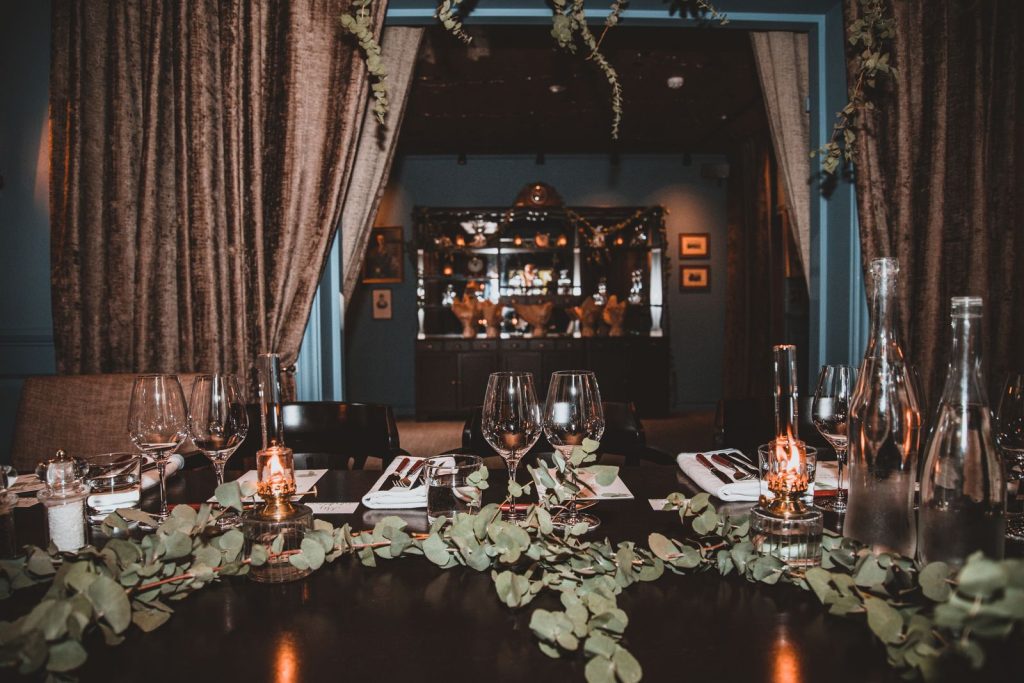
Not every meal in Sweden happens at a dedicated vegan cafe. Sometimes you will find yourself at a classic Swedish restaurant where the menu leans heavily on meat and fish. With a little know-how, you can still eat well, and this guide shows you how.
Why traditional restaurants are easier than they look
Traditional Swedish cooking is built on a lot of plant-friendly foundations: potatoes, root vegetables, bread, oats, mushrooms, peas and berries. Even when the headline dishes feature meat or fish, the supporting ingredients are often plant-based, which gives the kitchen plenty to work with. Sweden is also widely considered one of the more vegan-friendly countries in Europe, so staff tend to be familiar with the request rather than puzzled by it.
On top of that, oat drink and oat-based creams are very common in Swedish kitchens, so a creamy sauce or soup can frequently be made without dairy. The plant-based version of a dish is not an exotic ask here.
How to navigate the menu
Start by scanning for the words vegansk (vegan) or växtbaserad (plant-based), which many restaurants now print directly on the menu. If you do not see them, the next step is simply to ask. Most Swedes speak excellent English, and a polite question is welcome.
Ask about the sauce
Creamy sauces are often the only dairy element. Ask for a dish utan mjölk (without milk) to see if it can be adapted.
Build from the sides
Potatoes, vegetables, salads and bread are frequently plant-based. A combination of sides can make a satisfying plate.
Look for the classics
Plant-based köttbullar (meatballs) appear on many menus, served the traditional way with lingonberry.
Check the soups
Pea soup and vegetable soups are often plant-based when made without meat stock. Always confirm with staff.
Asking with confidence
A few short phrases cover most situations. You can ask whether a dish is vegansk, request it utan mjölk (without milk) or utan ägg (without egg), and specify oat drink (havredryck) for coffee afterwards. Our Swedish vegan glossary lays out the full toolkit, and it is worth glancing over before you sit down.
The single most useful habit at a traditional restaurant is to ask early, ideally when you order rather than when the plate arrives. It gives the kitchen room to adapt a dish for you.
When to book a dedicated place instead
Traditional restaurants are great for the experience and the atmosphere, but if you want the widest plant-based choice, a dedicated vegan or vegetarian spot will always offer more. The worldwide directory HappyCow helps you find both, listing fully vegan places as well as traditional restaurants with strong plant-based options. In the bigger cities, you have plenty of both kinds nearby.
What about the Swedish smorgasbord?
A traditional spread of many small dishes, served buffet style, can actually work well for a vegan. Because the food is laid out for you to see and choose from, you can pick the plant-based items and skip the rest. Breads, pickled vegetables, salads, potato dishes and various spreads often appear, and a polite question to staff will tell you which dishes contain dairy or egg. The visible, choose-your-own format takes much of the guesswork out of the meal.
Timing and booking
For popular traditional restaurants, especially on weekends, it is worth booking a table and mentioning your diet when you reserve. This gives the kitchen advance notice and almost always results in a better plate. Many places are happy to prepare something plant-based when they know ahead of time, even if it is not printed on the menu. A short note when booking is a small effort that pays off.
For city-specific advice, see our guides to vegan Stockholm and vegan Gothenburg, or return to the Dinner.se home page.